Start with the valve
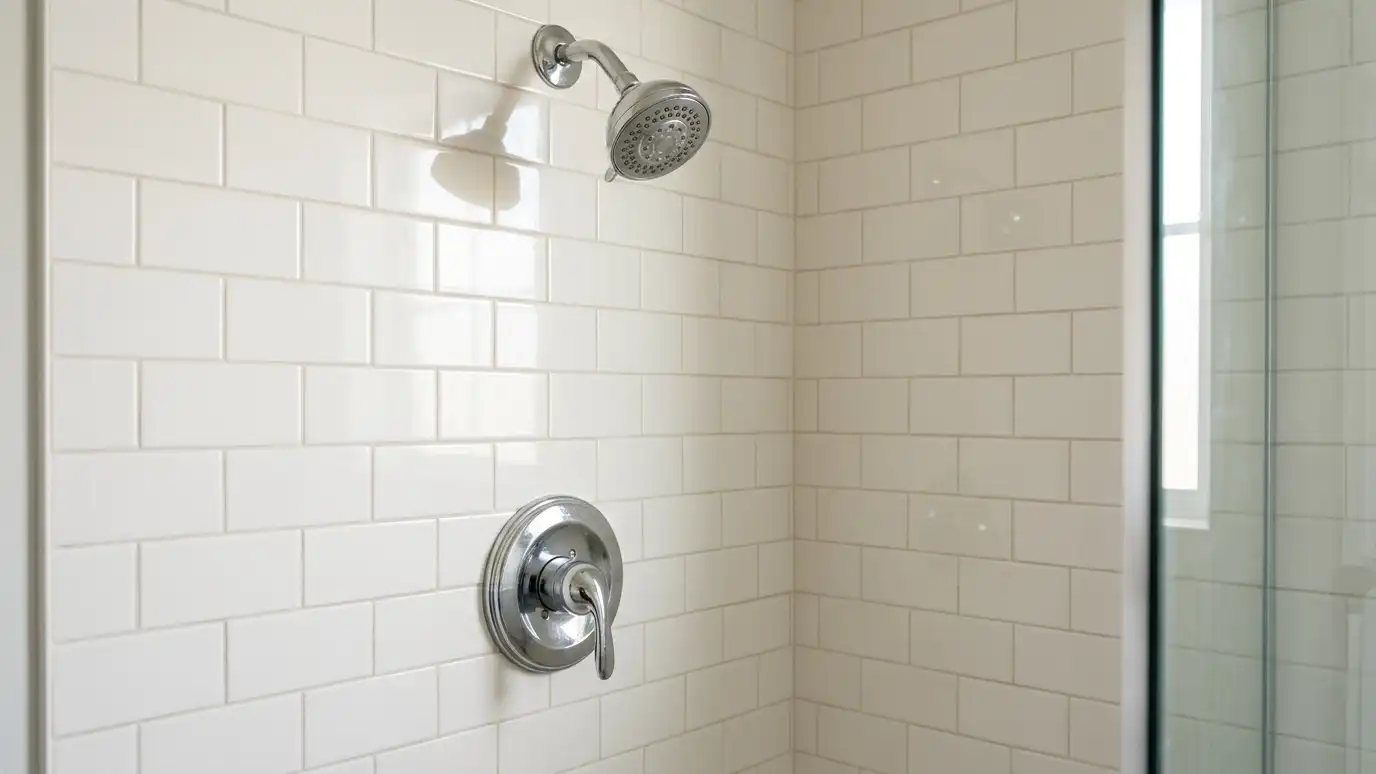
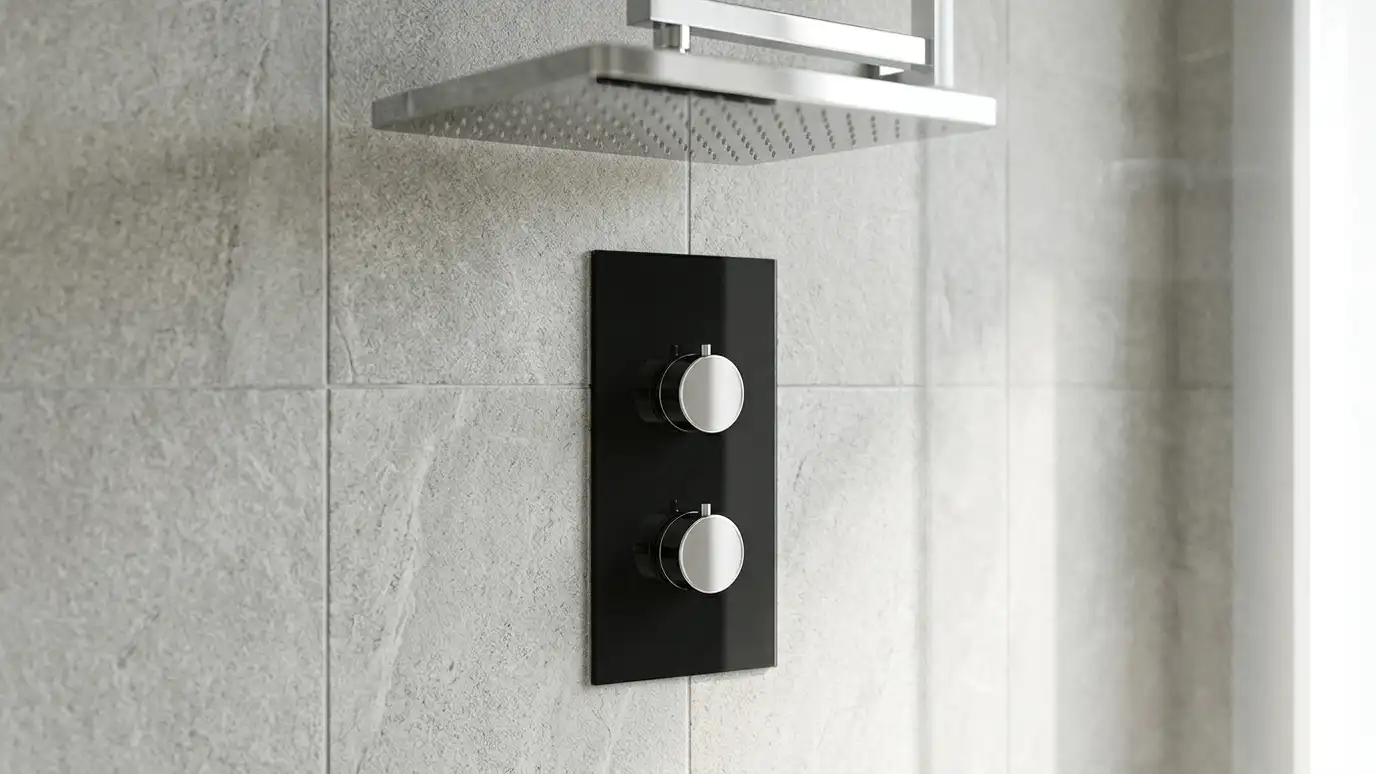
The valve inside the wall controls temperature and flow, and it is installed before tile. Pressure-balancing valves help prevent sudden hot or cold swings, thermostatic valves hold a set temperature more precisely and digital controllers add presets and multiple outlets.
Trim, the handle and plate you see, must match the valve, and universal rough-in valves accept many trim styles.
Choose the valve before tile so depth and position are right.
Look at the valve you already have. The brand and series may let you change trim without opening the wall, which saves time and cost.
Showerheads
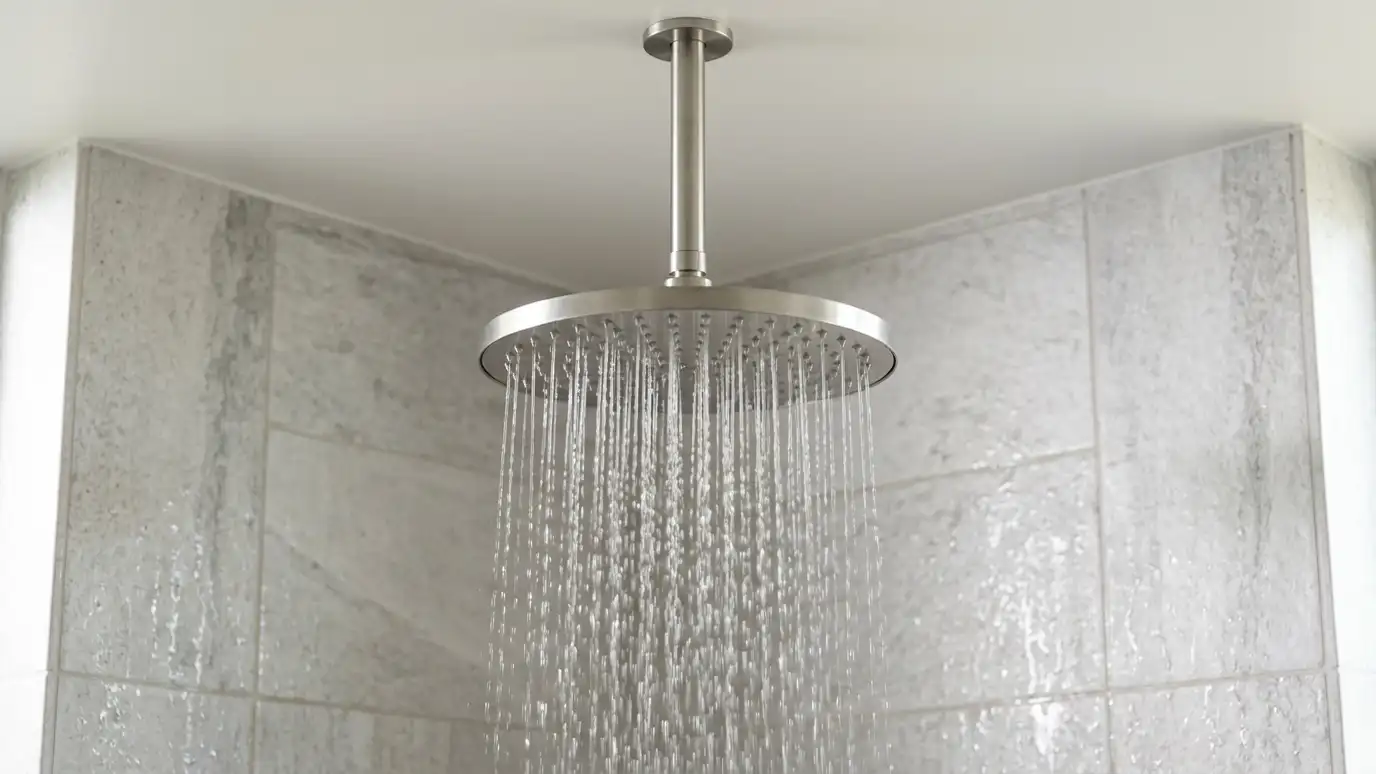
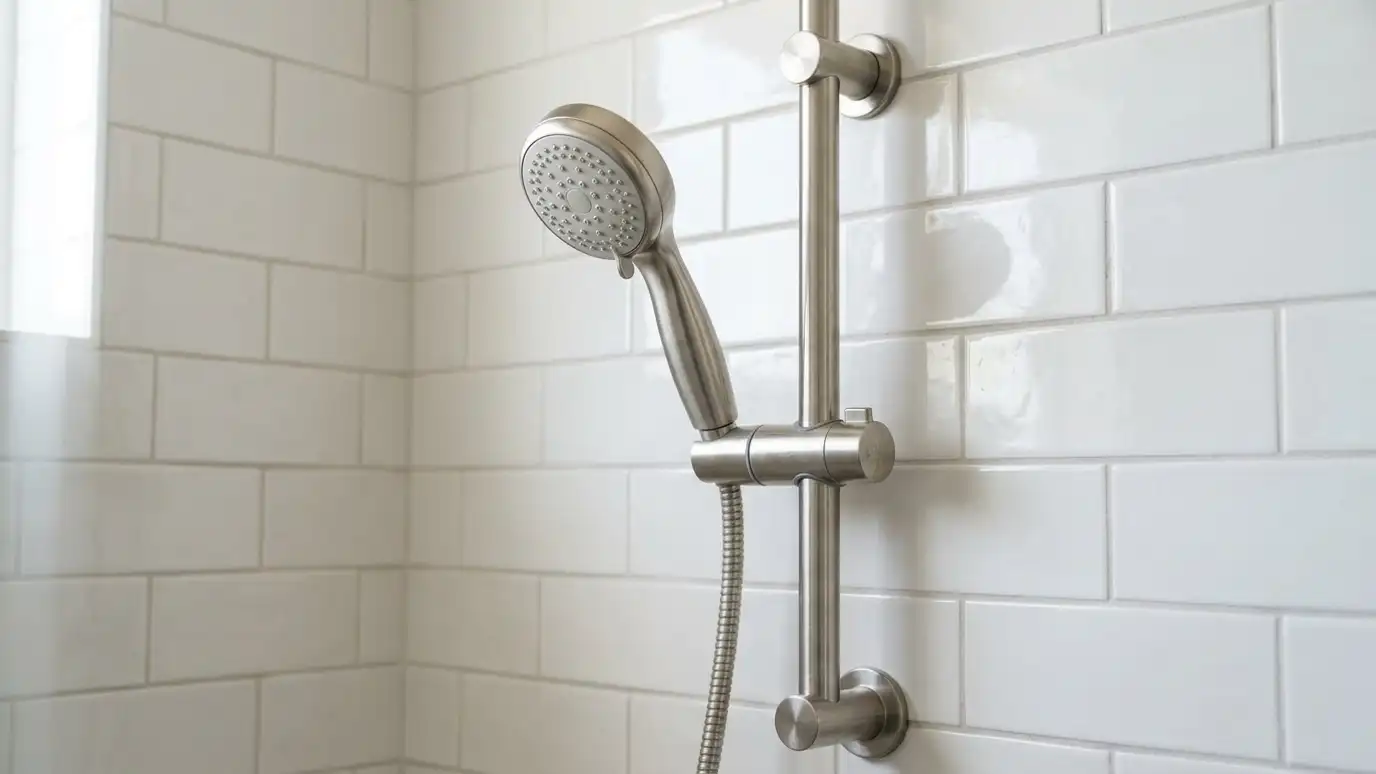
Fixed wall heads are simple. Rain heads give a wide, soft overhead spray. Handheld showers on slide bars make rinsing and cleaning easy and help seated showers. Many showers combine two or three.
Spray patterns, flow rates and finishes vary. Mineral buildup affects some more than others.
We suggest heads that suit your pressure and habits.
Test a showerhead in a showroom if you can, and read about flow and spray patterns. A pleasant spray depends on more than the size of the head.
Body sprays and multiple outlets
Body sprays and multi-head showers feel luxurious but use more water and more hot water. Supply lines, valves and the water heater must handle the load.
A diverter or a multi-outlet valve lets you control which outlets run.
Plan outlets and controls so everything is reachable.
Draw the outlets on a wall sketch and check where each spray will land. A rain head over a bench makes for a wet bench.
Pressure and flow
Low pressure is a common complaint. The cause may be the showerhead, a worn cartridge, a clogged screen, a supply issue or building plumbing. A new head does not fix every pressure problem.
Flow limits apply to many showerheads, and some designs feel stronger than others at the same flow.
We check pressure before recommending fixtures.
If your pressure seems low, a plumber or shower contractor can measure it. A simple gauge on a hose bib gives a useful number.
Finishes and matching
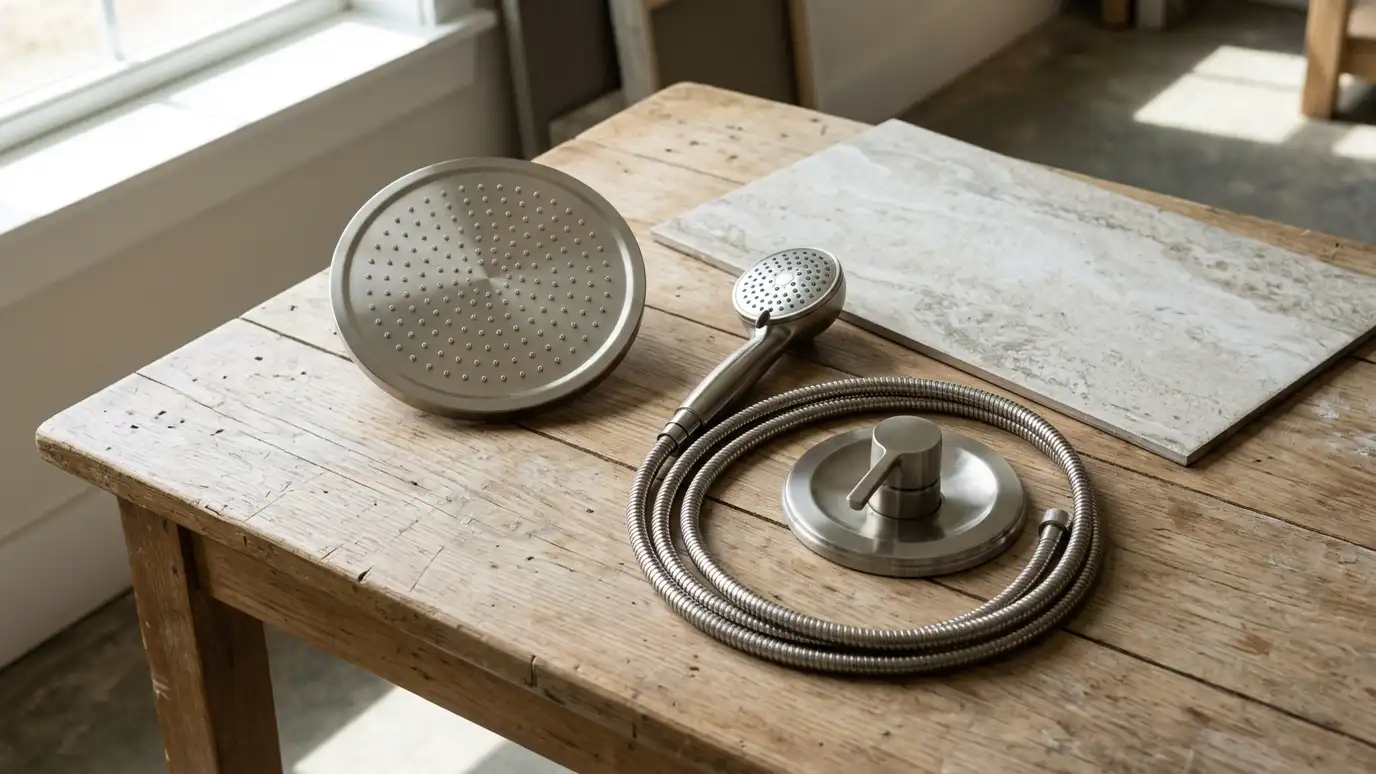
Chrome is the most durable and easiest to match. Brushed nickel hides water spots. Matte black and gold finishes are stylish but may need gentler cleaning.
Match finishes across the showerhead, valve trim, grab bars, glass hardware and faucets for a cohesive look.
Samples help you decide.
Ask for finish samples and look at them in your bathroom light. A finish that looks warm in a showroom can look cold at home.
Installation details
Valve depth must match wall thickness, supply lines must be sized for the outlets and solid backing is needed for handhelds and grab bars.
Every outlet should be tested for flow and leaks before the wall is closed.
We review these details with you during planning.
Keep the manufacturer's model numbers and trim kit details. Replacement cartridges and parts are much easier to find when you have them.
Choose the valve and outlets first, plan supply and backing, then pick finishes that match.