Start with the opening
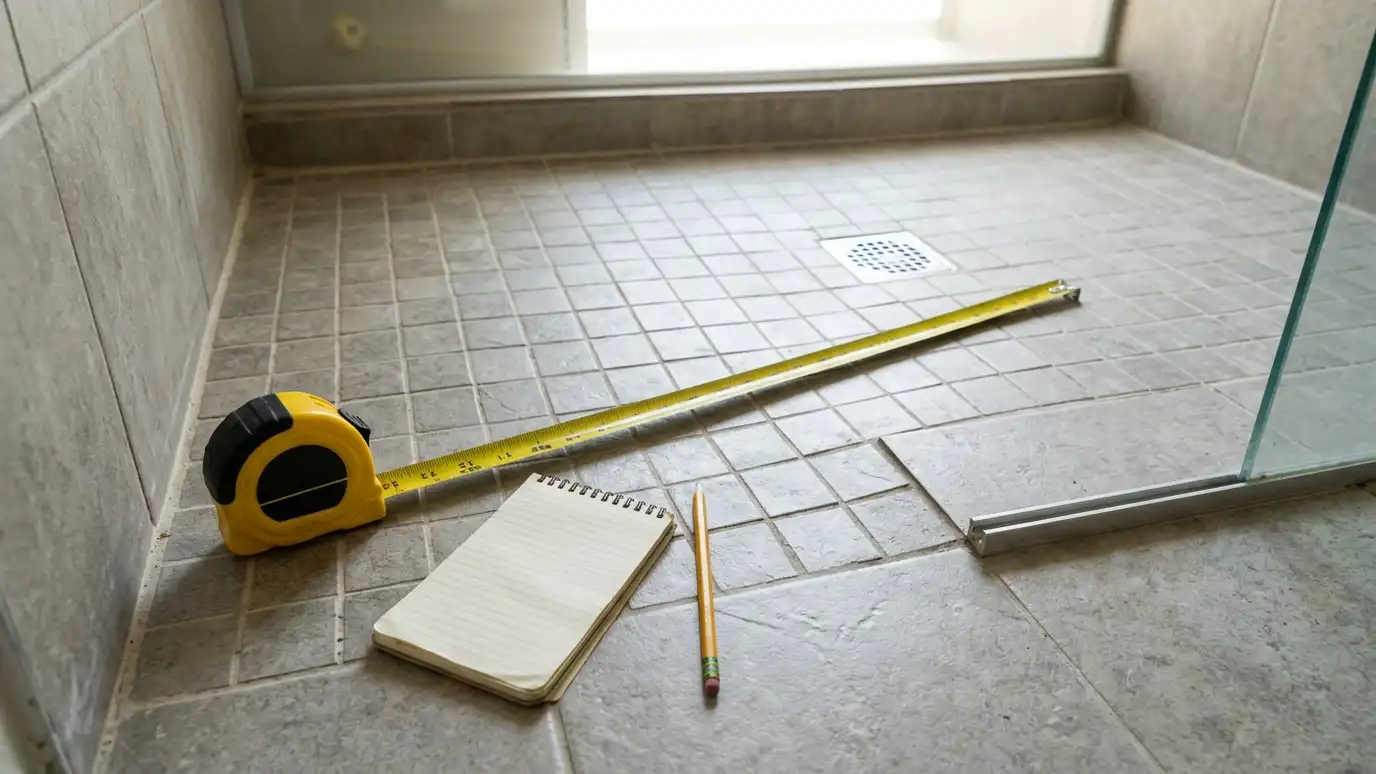
Measure the width and height of the opening and check whether walls and curbs are plumb and level. Older bathrooms often have walls that lean slightly, which affects frameless glass.
A tub or shower with an unusual size may need custom glass.
We measure carefully before recommending a door.
Check your bathroom at different heights. Some walls lean at the top and are straight at the bottom, which matters a great deal for frameless glass.
Frameless, semi-frameless or framed
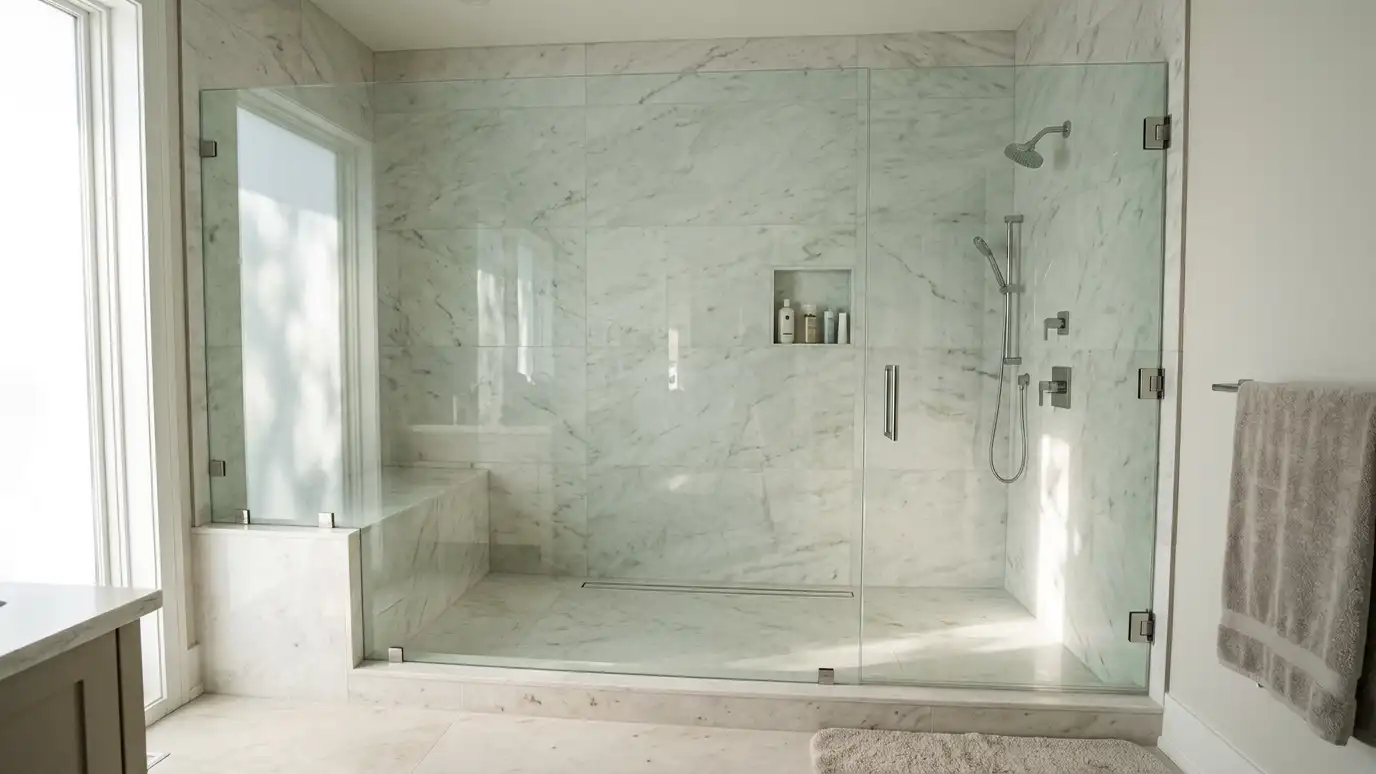
Frameless uses thick glass and minimal hardware for an open look and needs exact fit. Semi-frameless has a slim frame on some edges and is more forgiving. Framed doors have a full metal frame and are the most affordable and tolerant of uneven walls.
Each can look good when well chosen and installed.
We explain how they compare for your opening.
Look at how your current door swings and what it hits. That experience helps decide between hinged, pivot and sliding styles.
Sliding, hinged and pivot
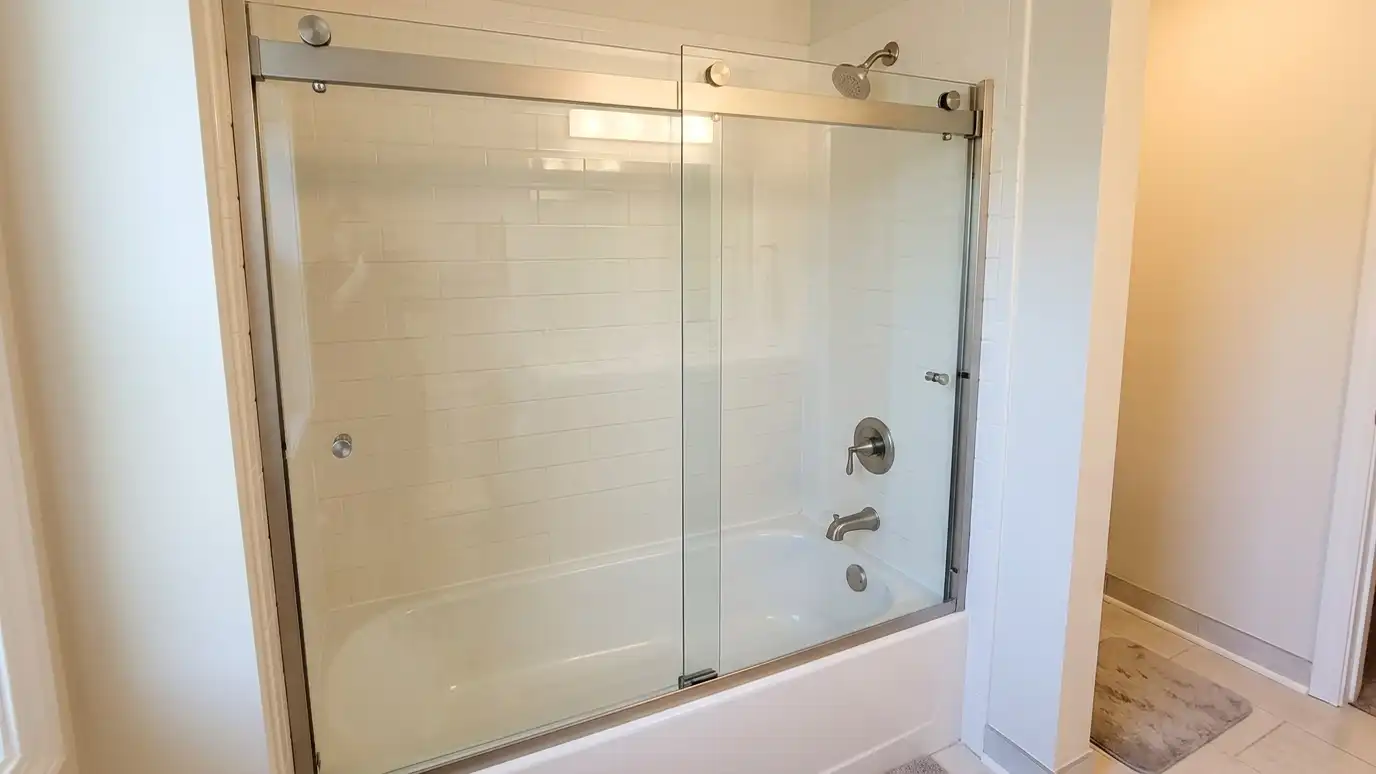
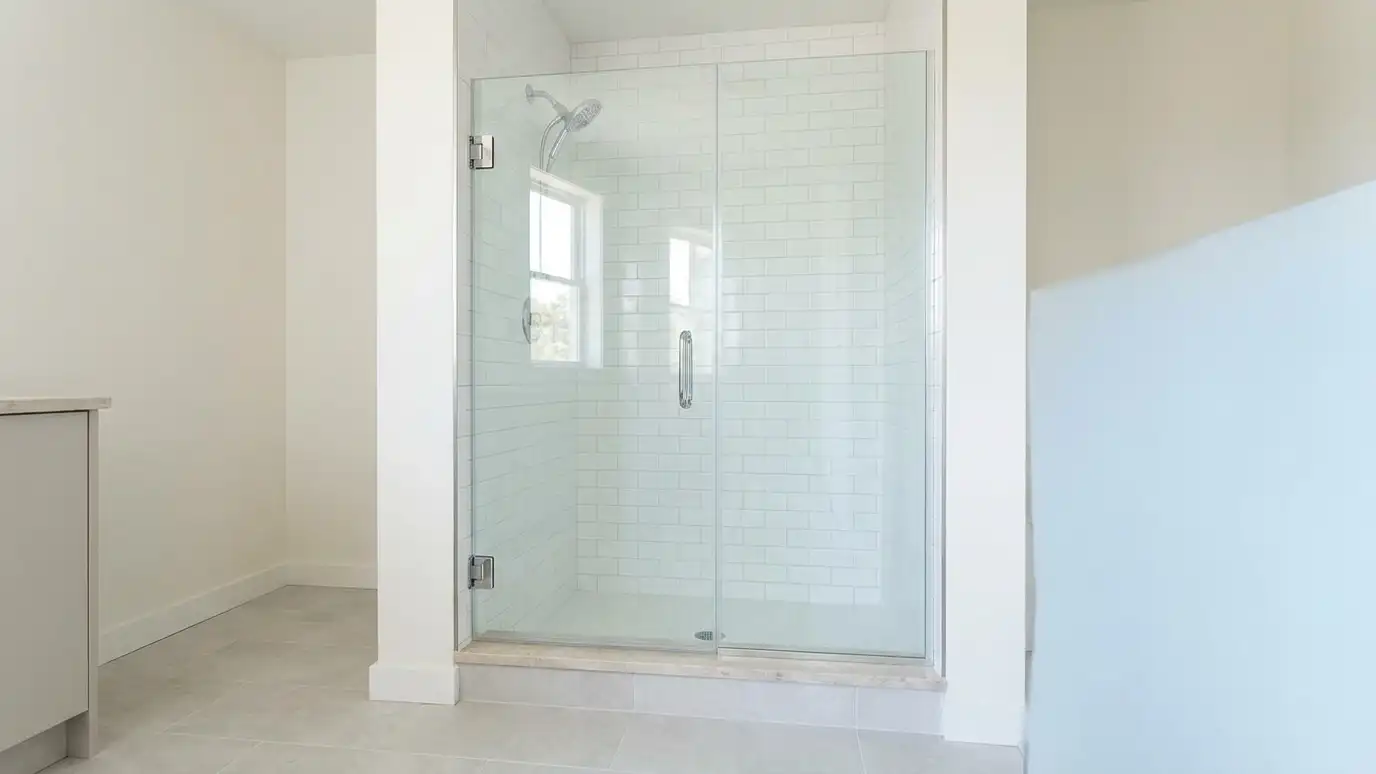
Sliding bypass doors save swing space and suit tubs and tight bathrooms. Hinged doors give the widest opening and suit showers with clearance. Pivot doors swing both ways and fit corner and wide openings.
Think about where the door will open and what it might hit.
A short test with the door swing marked on the floor helps.
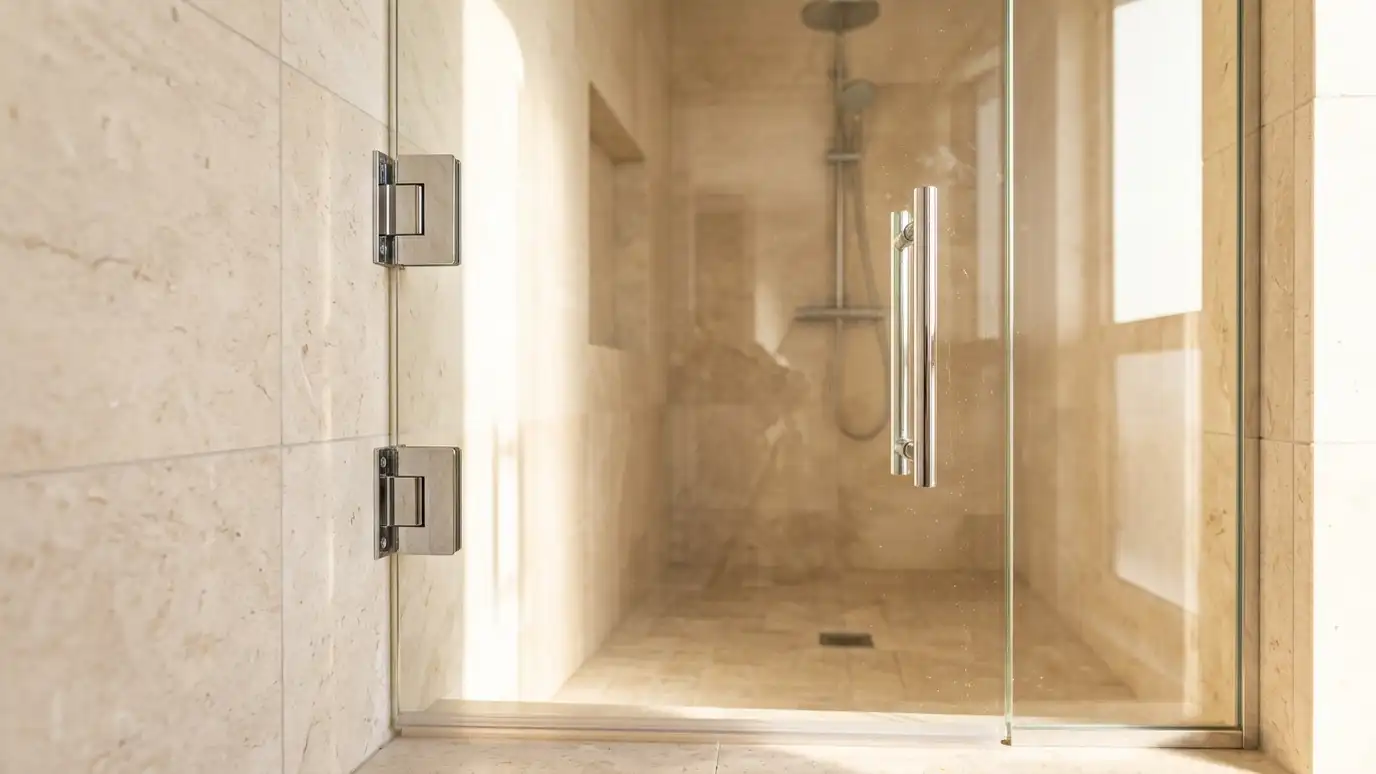
Hold a sample of the hardware in your hand. Handles and hinges feel different, and a smooth, solid feel is a good sign.
Glass and hardware
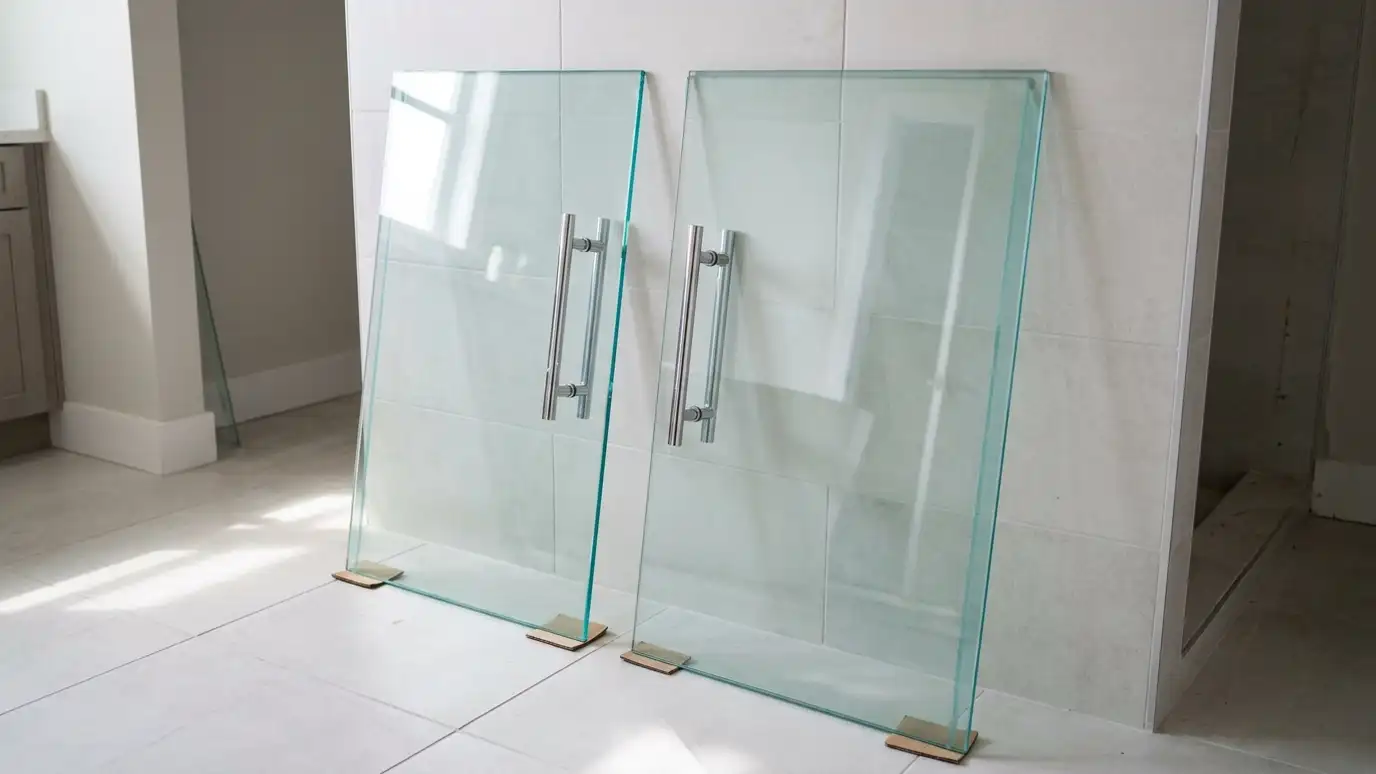
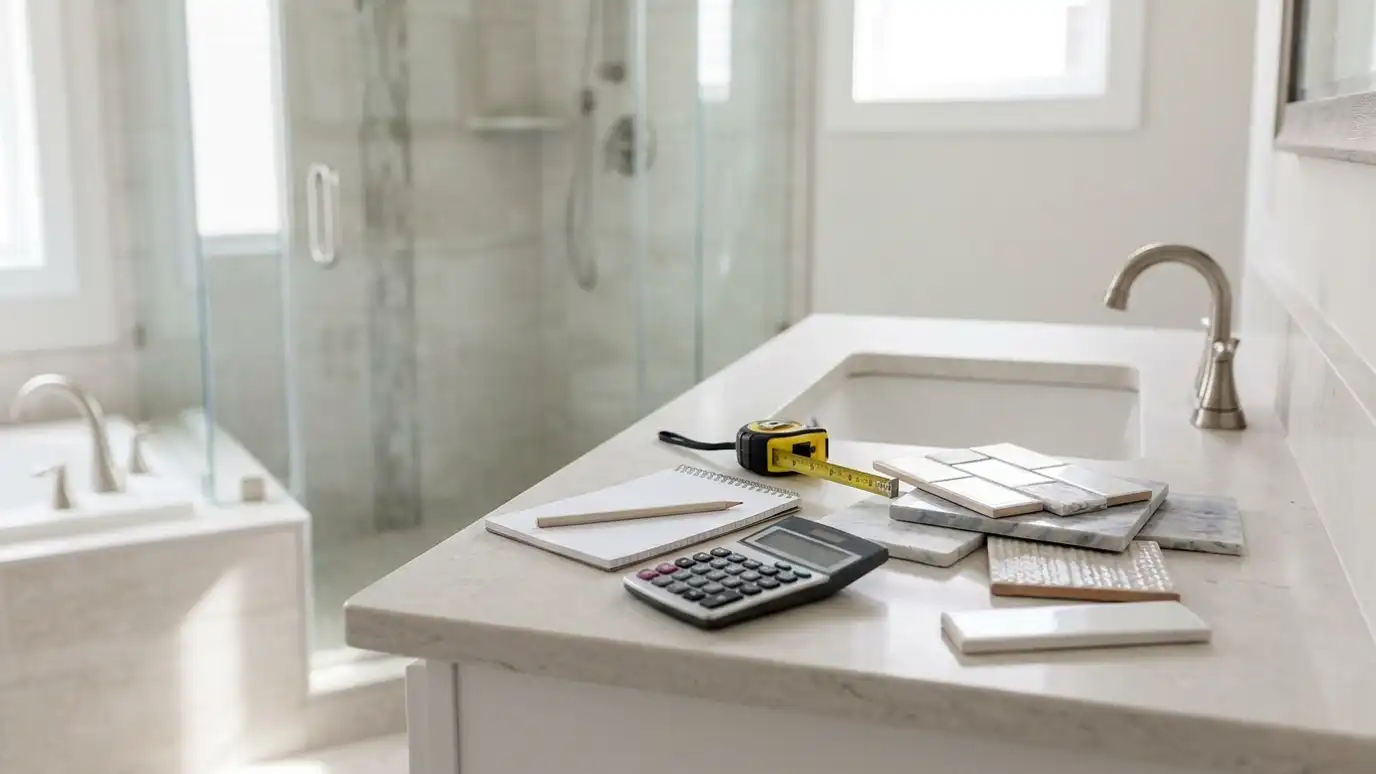
Glass thickness, clear or low-iron glass and decorative patterns change the look. Hardware finish should match your faucets and fixtures. Seals and sweeps control water.
Protective coatings reduce water spots and make cleaning easier.
Samples help you see the difference.
Ask about a protective glass coating if your water is hard. It reduces spots and helps glass stay clear with simple wiping.
Water control
Doors reduce splash but small gaps exist by design on frameless doors. Showerhead position, fixed panels and returns help keep water inside.
A threshold curb or a short sweep adds protection where needed.
We plan the layout with your fixtures in mind.
If water sprays outside the shower, move the showerhead or add a fixed panel. Changing the layout is often better than adding more seals.
Care
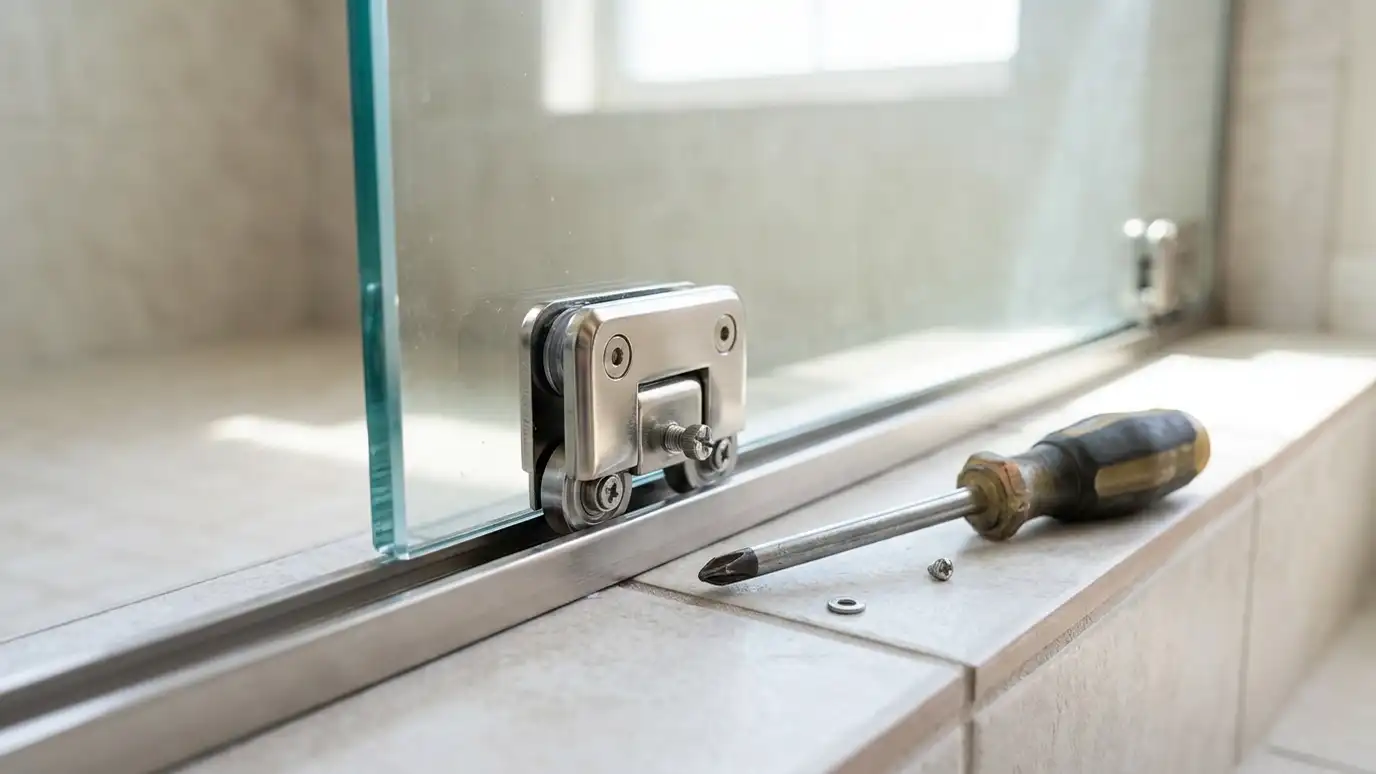
Wipe glass with a squeegee, use non-abrasive cleaners and keep tracks and hinges clean. Check seals and rollers yearly.
Replace worn parts early so small problems do not become big ones.
We share a simple routine at the end of the job.
Mark your calendar for a yearly check of rollers, hinges and seals. A small replacement now keeps the door working and the glass safe.
Measure first, pick the style that fits your opening and plan the glass with your showerhead position in mind.