Why waterproofing matters
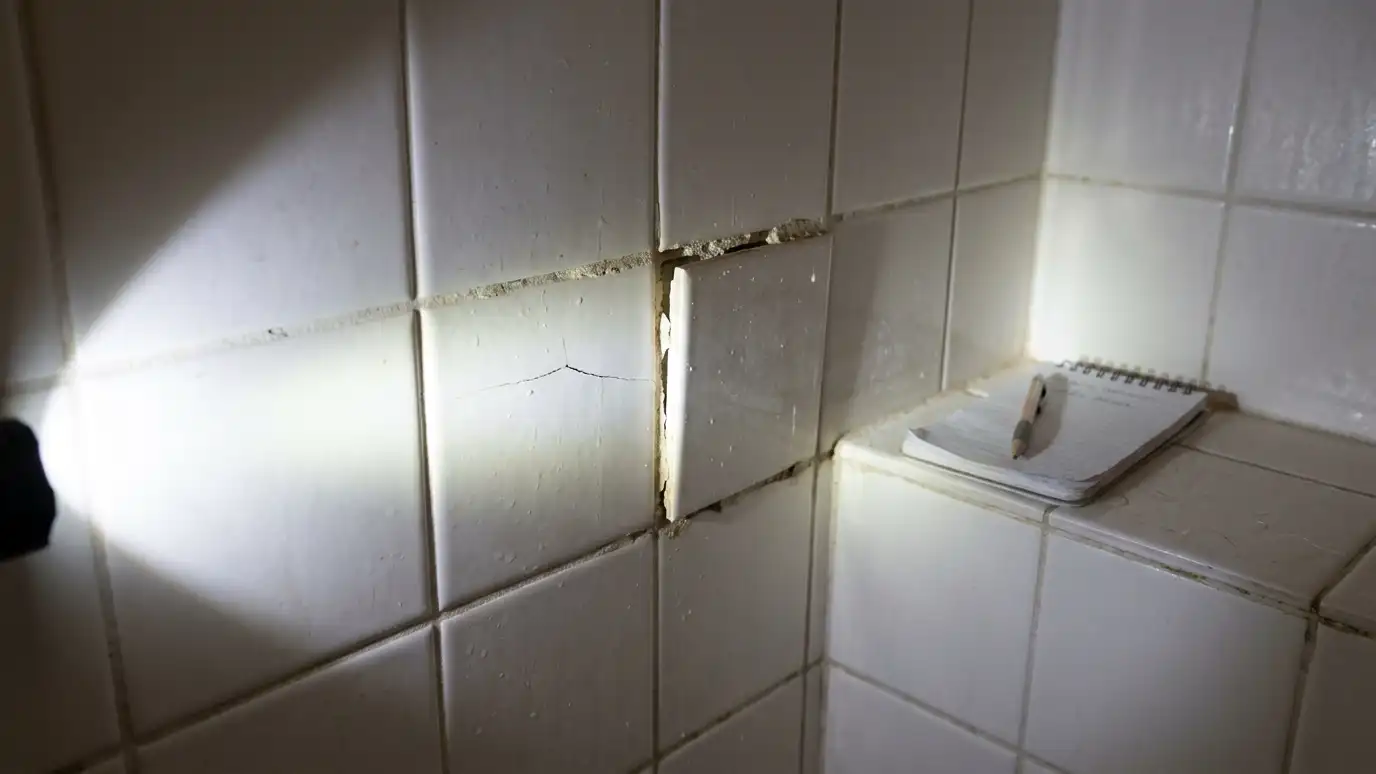
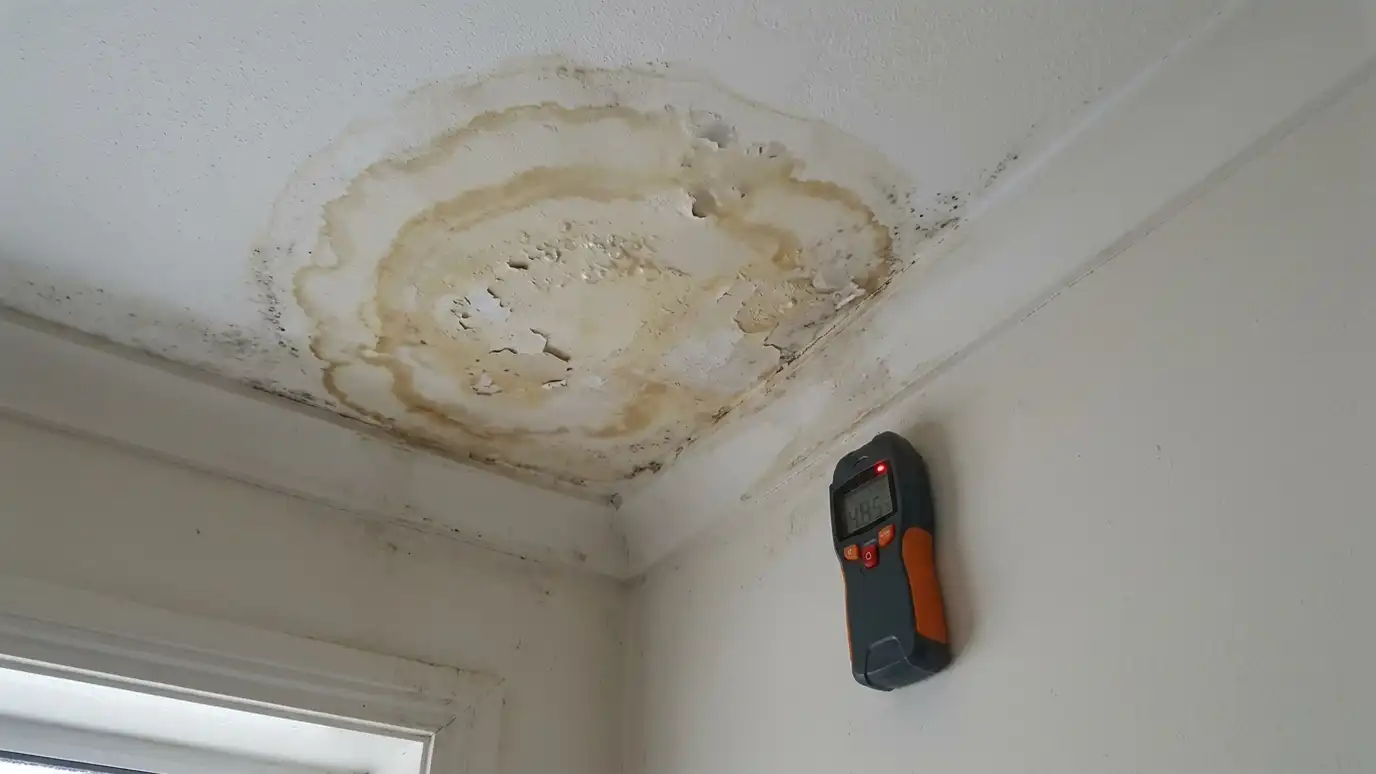
Tile and grout resist water but do not stop it. Water passes through grout and, over time, into the wall and floor if there is no waterproof layer behind the tile. The damage is hidden until a ceiling stains or a floor goes soft.
A shower with a proper membrane stays dry behind the tile, which protects framing, subfloor and the rooms below.
Waterproofing is the most important part of a tile shower.
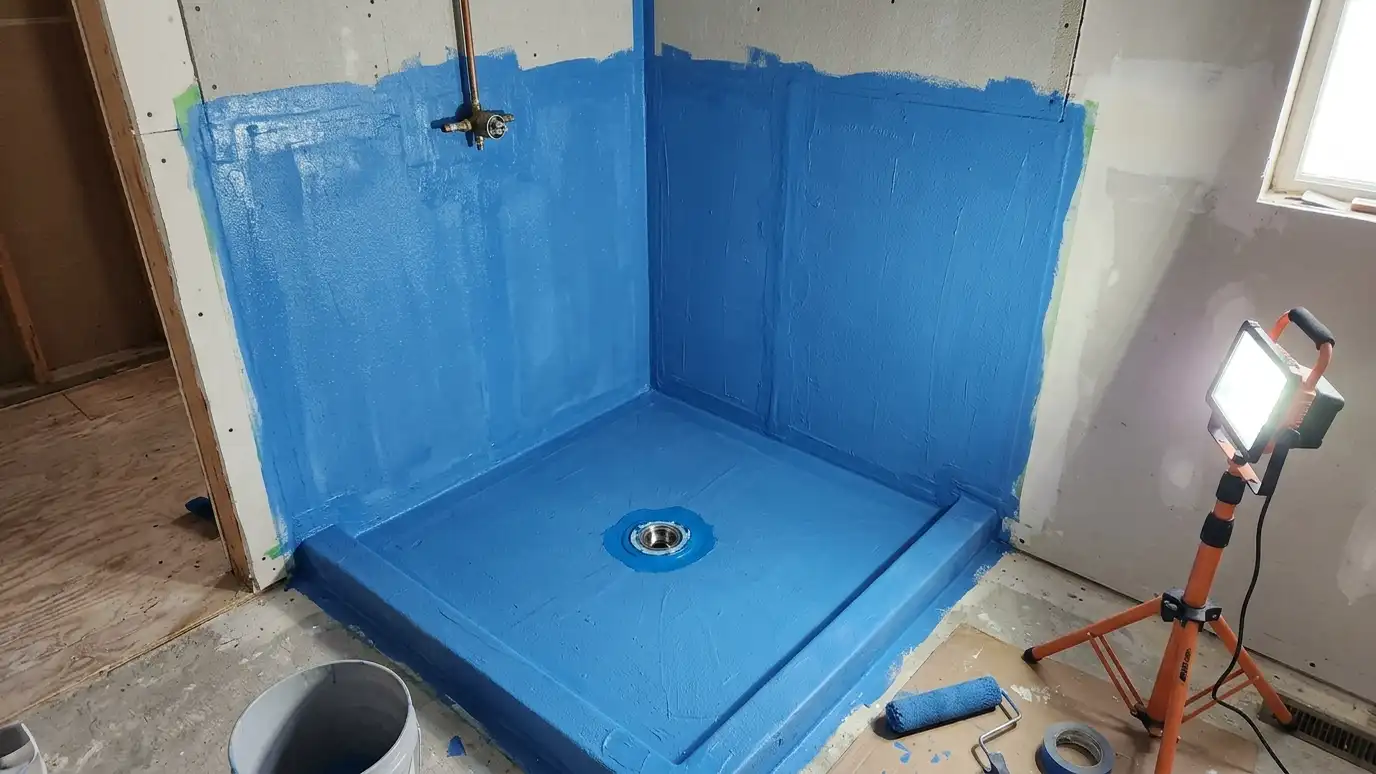
Think of the waterproofing as a bowl. Every edge, corner and opening has to be part of the same bowl, or water finds the gap.
Sheet membranes
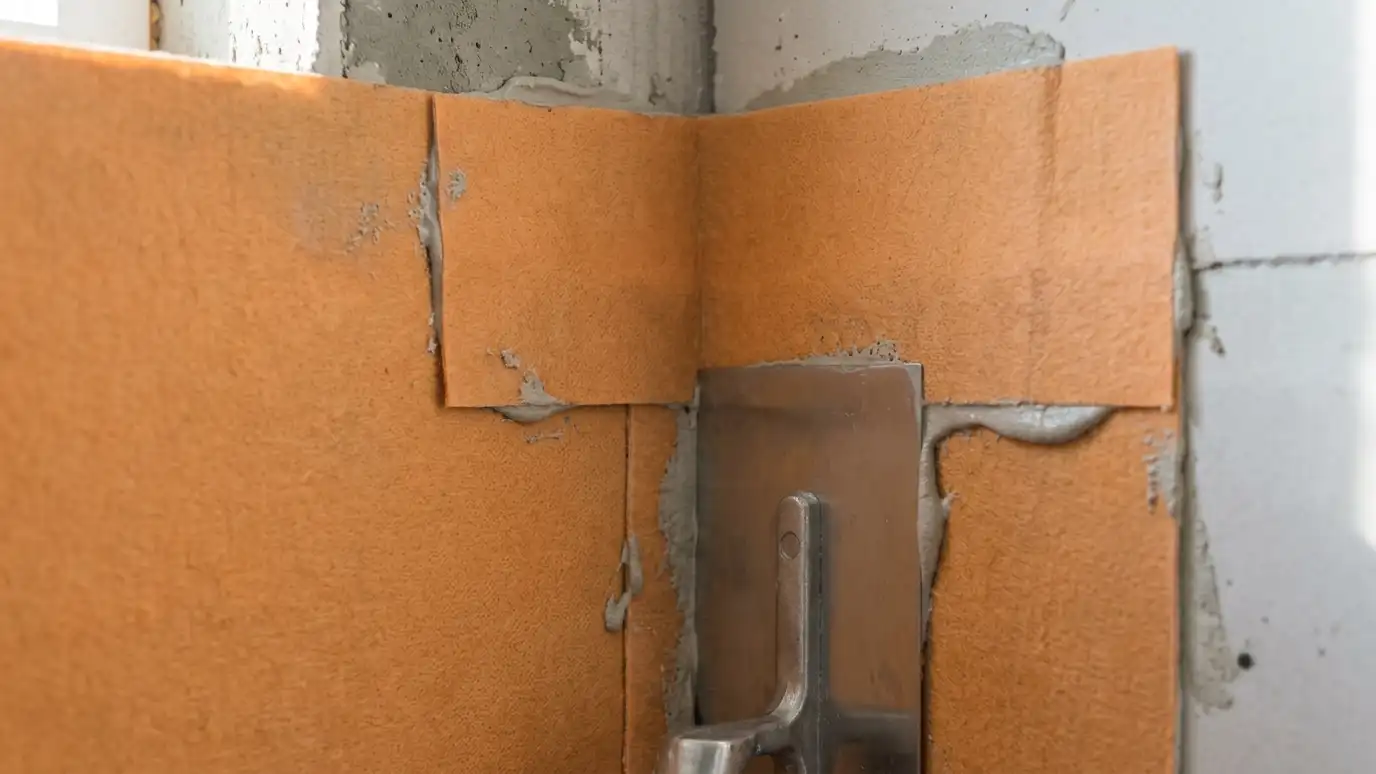
Sheet membranes are rolls of waterproof fabric adhered to walls and floors with mortar. Seams are overlapped or sealed, and corners and drains have matching accessories.
They have consistent thickness and are widely used on shower floors and walls.
Installation must follow the maker's instructions to work as designed.
Ask your installer to show you a sample or a photo of the membrane at a corner. Seeing the detail makes the technical talk easy to follow.
Liquid membranes
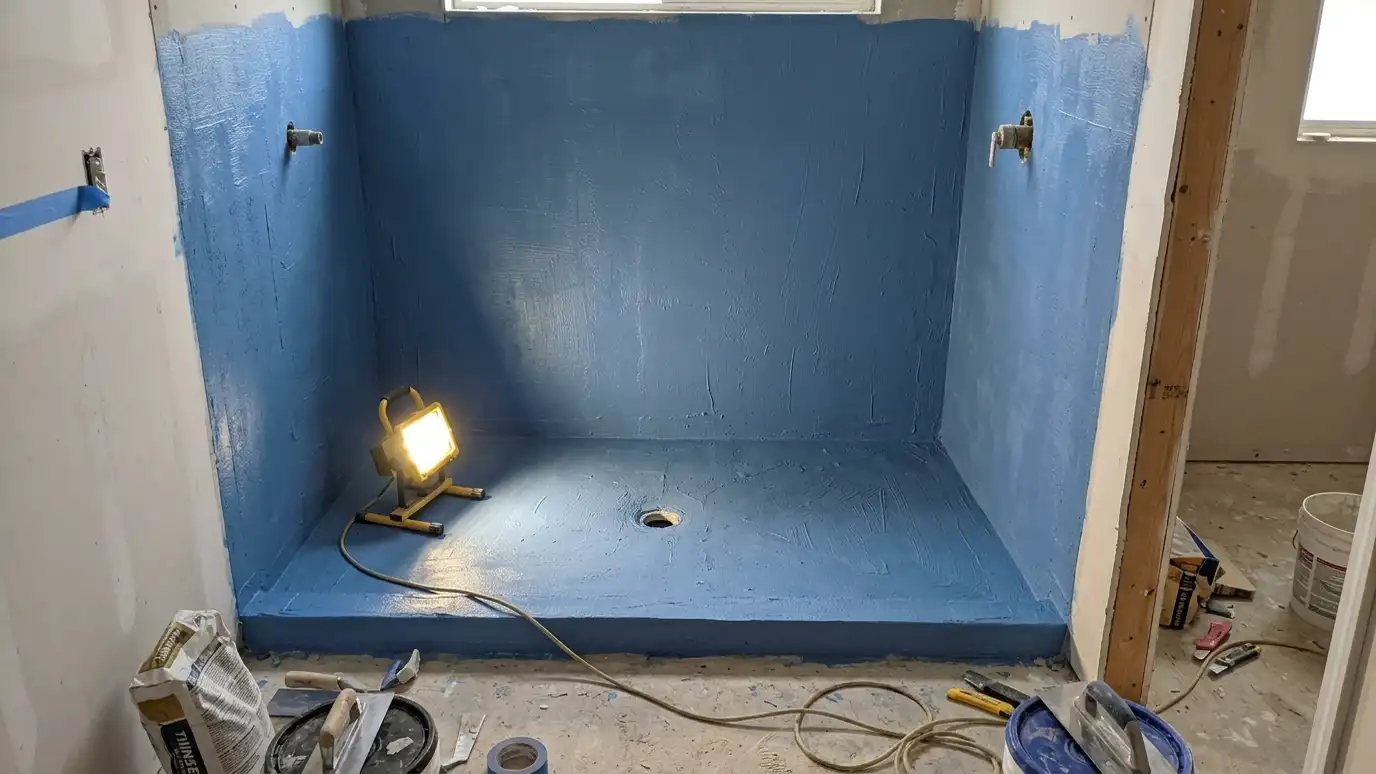
Liquid membranes are rolled or troweled on in coats and cure to a waterproof film. They conform to corners, benches and niches.
They must reach the specified thickness and cure fully before tile.
Careful measuring of thickness and attention to cure time are key.
If a liquid membrane is used, ask how thickness is checked. Measuring with a gauge or following a color change is a sign of careful work.
Foam board systems
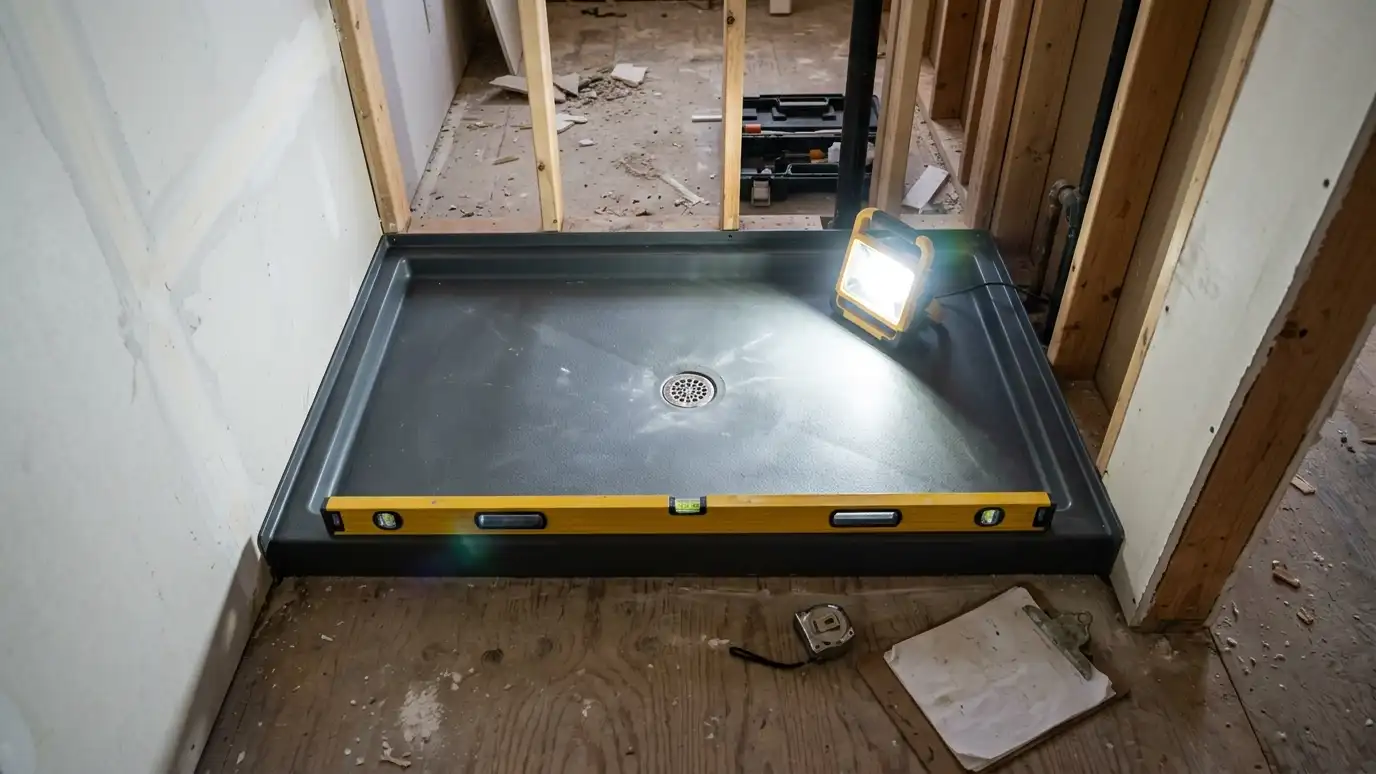
Foam boards and trays are waterproof panels with sealed joints, often with slope built in for the pan. They are lightweight and quick to build.
Seams, corners and penetrations are sealed with the maker's products.
These systems suit many custom tile showers, including curbless designs.
Foam board systems rely on precise sizing. Ask whether the tray and boards were ordered to your measurements before demolition, not after.
Details and testing
Corners, niches, benches, curbs, valve and showerhead openings and the drain are the places leaks start. Each needs the right reinforcement or collar.
A flood test of the pan before tile finds leaks early, when fixing them is simple.
Photos of the finished waterproofing give you a record of what is behind your walls.
A pan flood test usually runs for hours or overnight. It costs little time compared with the damage of a leak hidden behind new tile.
What to ask your installer
Ask which system they use, how seams and corners are treated, how thick liquid membranes are applied, whether the pan is flood-tested and whether they will share photos.
Be cautious of answers that rely on paint-on sealers or skip the membrane.
A confident, detailed answer is a good sign.
Keep the waterproofing photos with your house records. They are valuable for future repairs, insurance questions and a future sale.
Insist on a continuous waterproof system, a flood-tested pan and photos before tile covers it.